Insulation heat dissipation
gap Filler Sheet
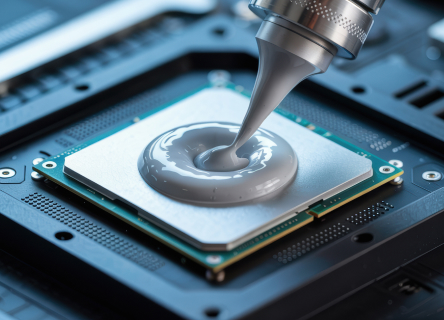

High Purity Boron Nitride Filler
High Electrical insulation
With a volumetric resistivity of 10¹⁴ Ω·cm, it is ideal for insulation applications
High Thermal conductivity
It exhibits high thermal conductivity of several hundred W/m·K
Characteristics not found in other fillers
Unique characteristics not found in other fillers: lightweight, high water resistance, and low dielectric properties.
Our filler
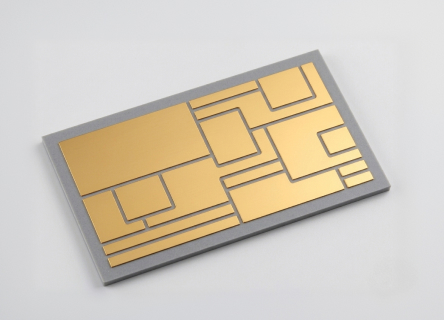
BN fillers can be utilized when conventional insulating thermal fillers fail to provide sufficient heat dissipation.
Feature
feature01
Hexagonal boron nitride (h-BN) exhibits excellent electrical insulation properties and maintains stable insulation performance even under high-voltage environments. Its volume resistivity is as high as 1013–1016 Ω·cm, and it also offers outstanding heat resistance, ensuring minimal degradation of insulation performance at elevated temperatures. Thanks to its unique combination of high thermal conductivity and high electrical insulation, h-BN is ideal for applications requiring both efficient heat dissipation and electrical safety.
feature02
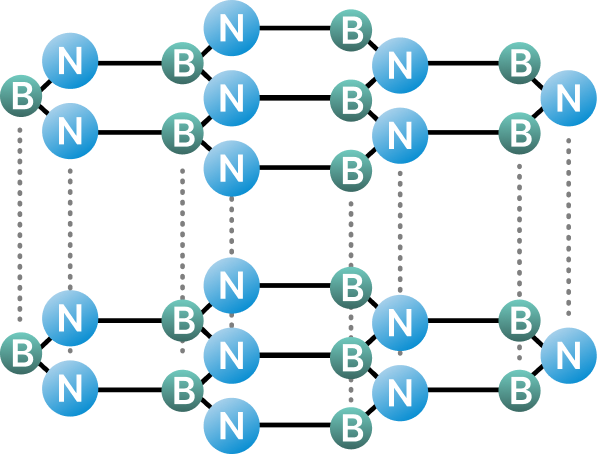
Hexagonal boron nitride (h-BN) exhibits high in-plane thermal conductivity of approximately 200–400 W/m·K due to its layered crystal structure. In contrast, the through-plane thermal conductivity is only a few W/m·K, allowing flexible design of heat dissipation direction. While maintaining excellent electrical insulation, h-BN enables efficient thermal management and contributes to reduced component temperatures and improved reliability in power devices, thermally conductive insulating components, and high-performance fillers for resins and rubber.

Swipe left or right
to view
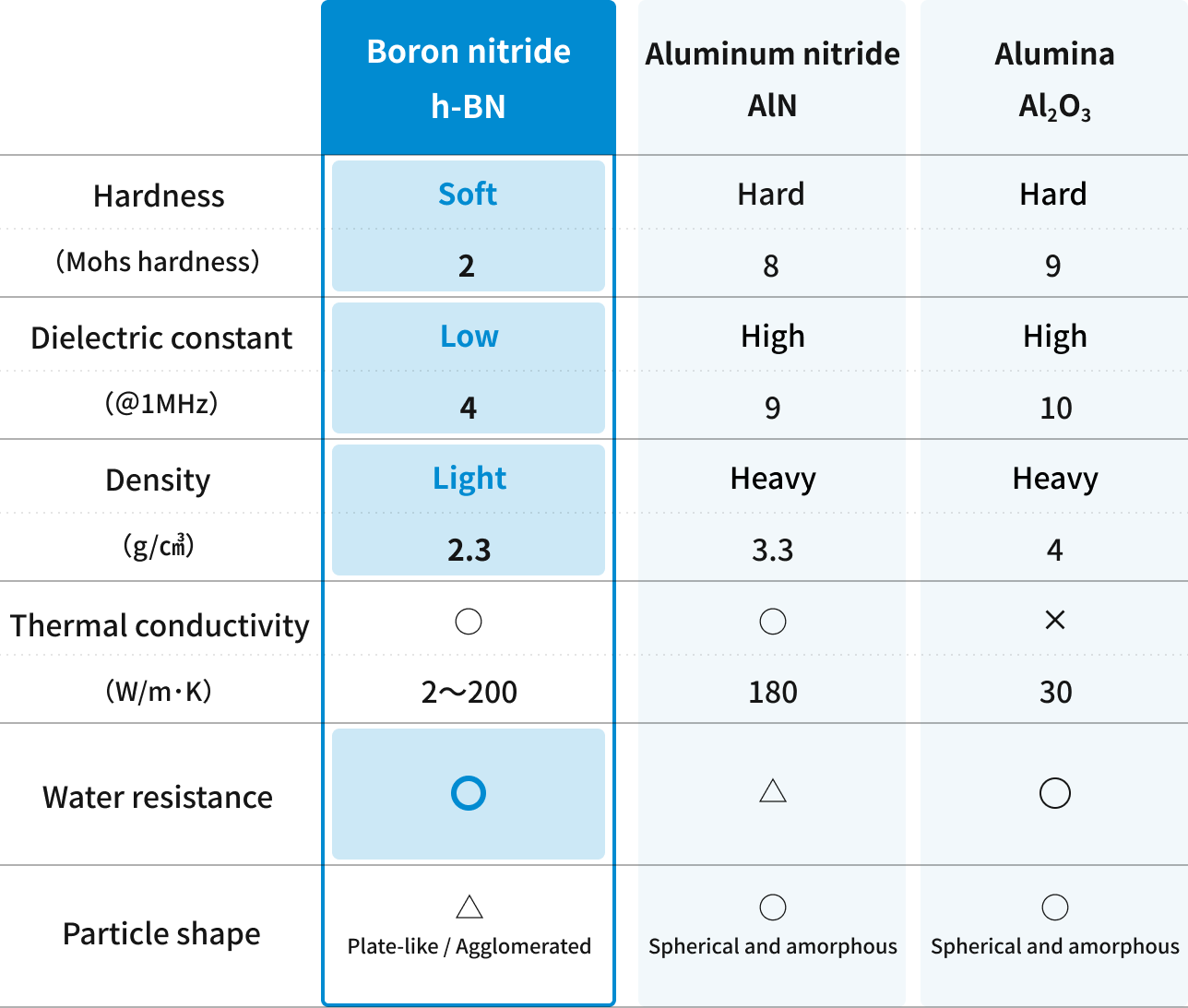
*Various figures and data are representative and are not guaranteed.
Case
Development of High-Performance Thermally Conductive Insulating Sheets
BN Filler
Power semiconductors for EVs
BN Filler
High-frequency compatible materials
BN Filler
Lineup
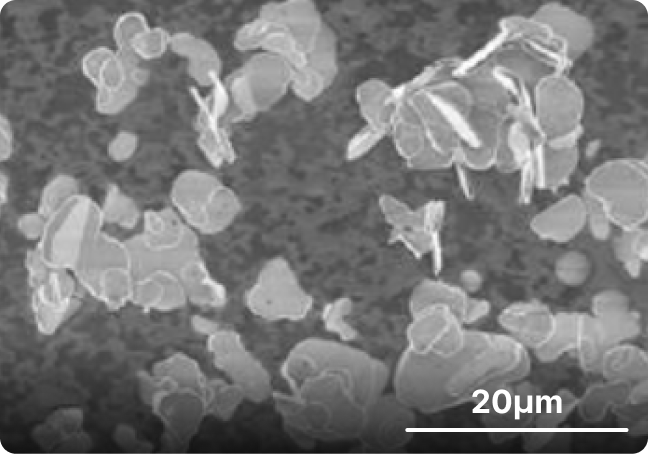
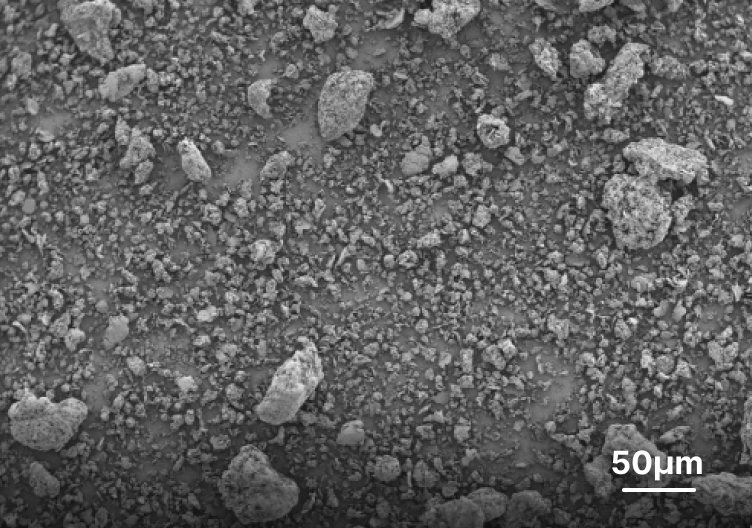
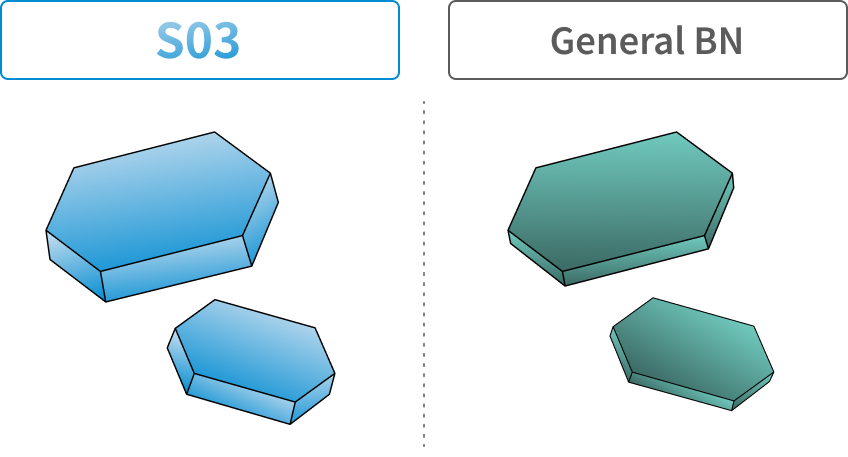
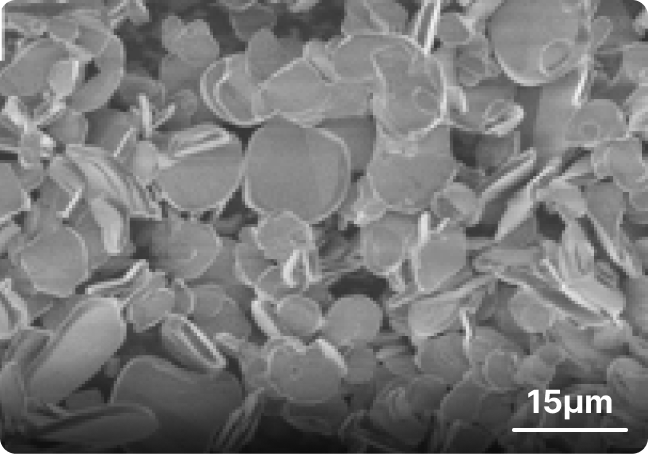
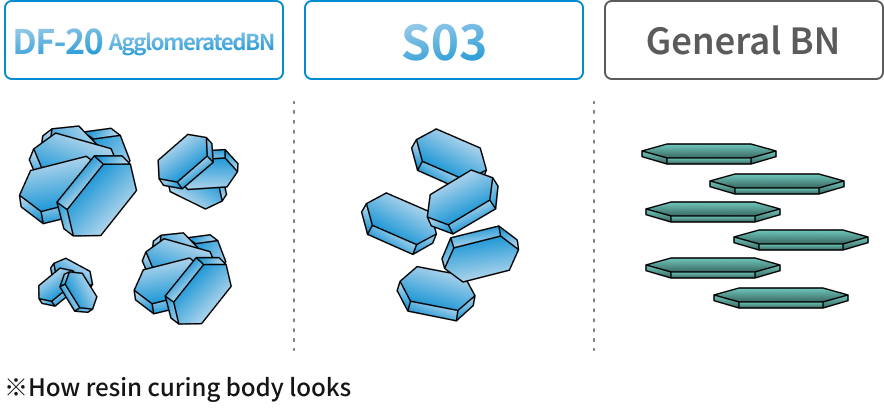
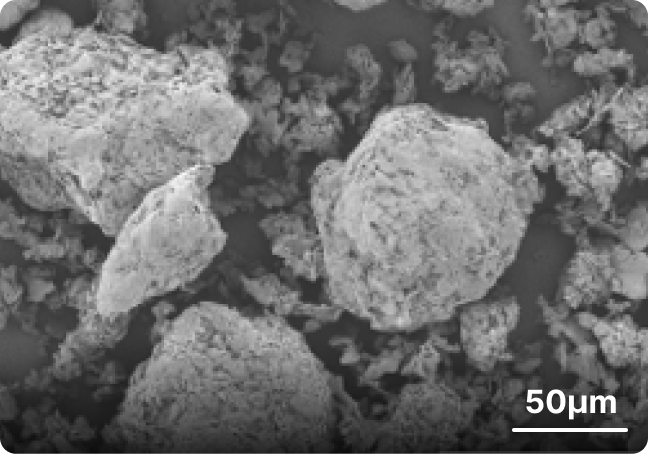
Our BN powder is synthesized using a proprietary reduction–nitridation process, enabling unique particle shape control. We offer two grades: S03, consisting of low-aspect-ratios primary particles that overcome the limitations of conventional platelet BN and enhance resin packing efficiency; and DF-20, an agglomerated grade designed to deliver high thermal conductivity.
Swipe left or right to view

Swipe left or right
to view
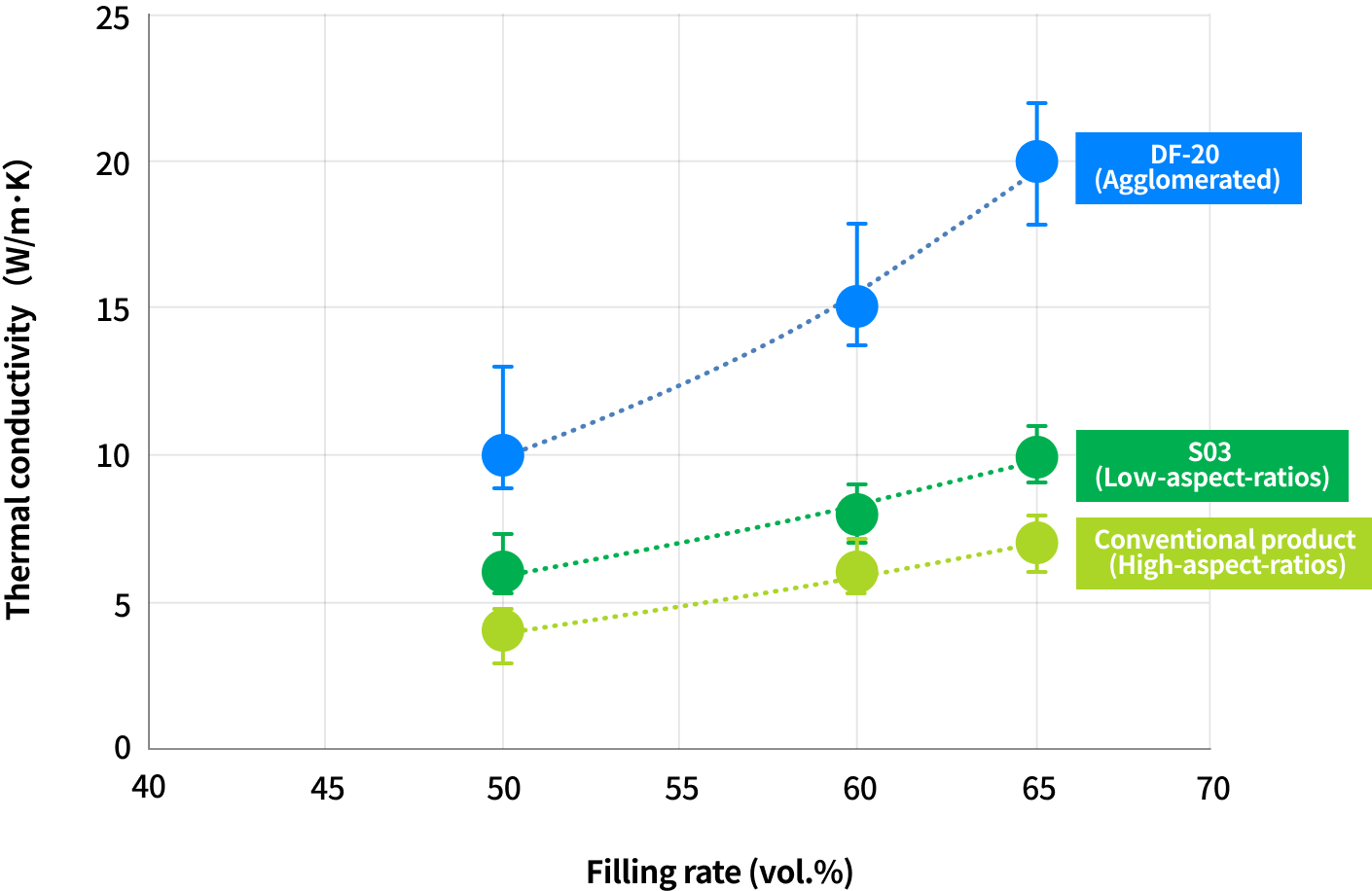
*Epoxy resin sheet (thickness 120μm)
Swipe left or right
to view
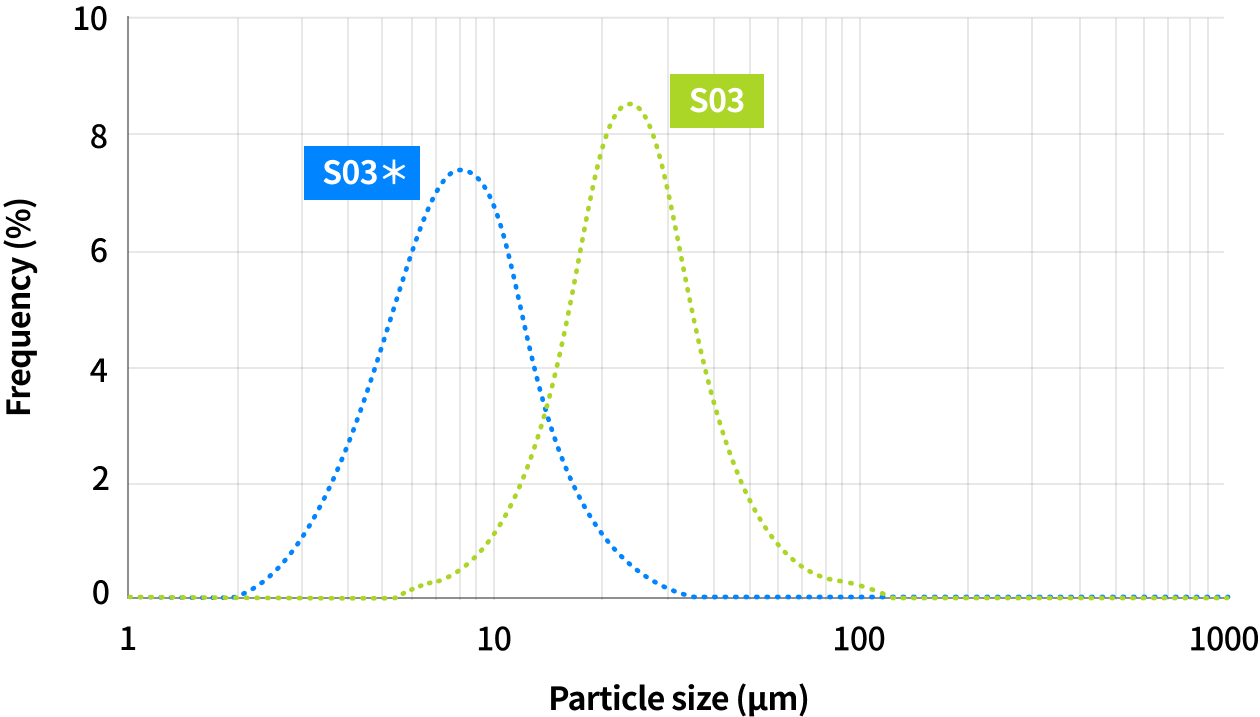
*After ultrasonic dispersion
Swipe left or right
to view
*After ultrasonic dispersion
FAQ
If you want to achieve both high thermal conductivity and withstand voltage, we recommend that you choose DF-20 (flocculation). If you want to focus on withstand voltage or apply it to thin film sheets of 100 μm or less, we recommend S03 (wall thickness single particle).
Swipe left or right
to view
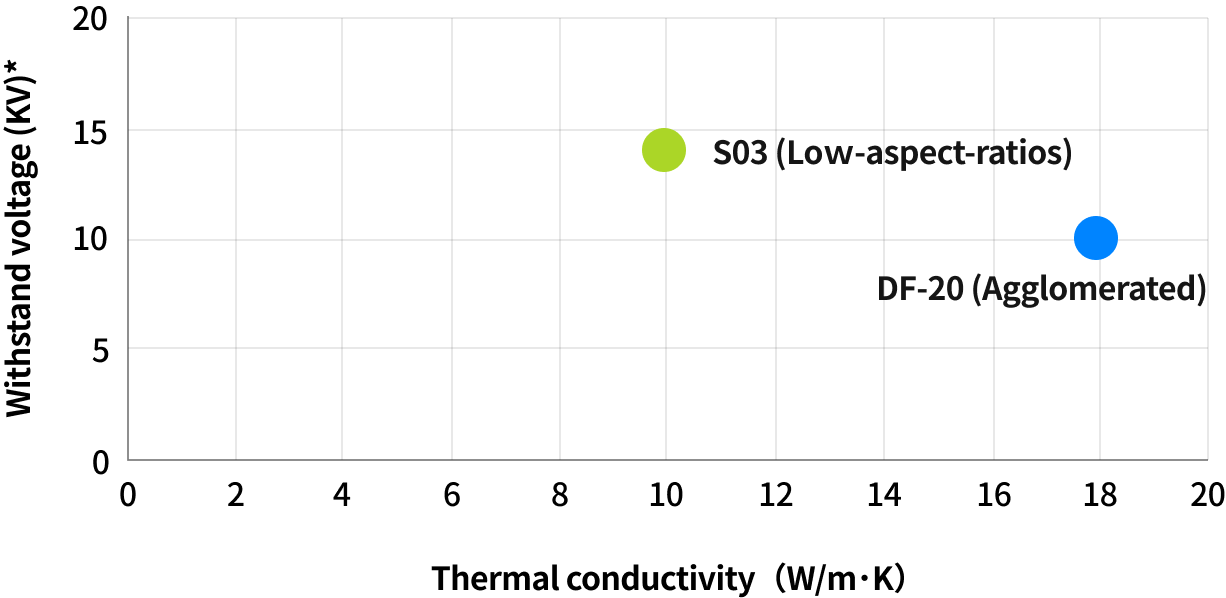
*Epoxy resin sheet (thickness 120μm)
DF-20 is the highest-purity grade among Tokuyama’s BN powder grades.
DF-20 contains an extremely low total number of black particles, which are a cause of insulation defects and appearance defects.

Tokuyama's BN powder is of very high purity, with extremely small amounts of impurities controlled. It is characterized by very little moisture, B2O3, carbon and oxygen remaining inside the BN particles on the surface of BN particles.
